The Early Roots of Country Music Gatherings
Country music festivals did not suddenly appear out of nowhere, but got a start as small community gatherings where local musicians performed for local crowds. In the rural districts of North America, music has been a crucial element in events such as fairs, agricultural shows, and community celebrations.
Contrary to its larger-scale modern image, the primitive version of these gatherings: open spaces where musicians and their fans gathered and interacted were seasonal. The stages were mostly temporary, and the places, often unrestricted fields, could be made beautiful for local galleries and also used traditionally for community gathering.
Local Music Traditions and Community Events
Before large festival productions became common, country music performances were closely tied to local traditions. Community fairs, barn dances, and regional celebrations often included live music as a central feature. Musicians performed folk songs, early country standards, and regional variations of traditional music.
These events were not designed as commercial entertainment on a large scale. Instead, they served as opportunities for communities to gather, socialize, and celebrate shared cultural heritage. In many rural regions, local musicians built strong reputations through these performances, creating the foundation for wider interest in country music.
Because these gatherings were informal, audiences and performers often interacted directly. Attendees could meet musicians, dance near the stage, and participate in activities throughout the day. This sense of accessibility and community would later become one of the defining characteristics of country music festivals.
The Influence of Agricultural Fairs and Regional Festivals
Agricultural fairs played a particularly important role in the development of country music events. These fairs already attracted large numbers of visitors, and live entertainment was often included as part of the program. Country musicians became a natural fit for these settings, where audiences were already familiar with the musical style.
Over time, some fairs began expanding their music programming. Instead of a single evening performance, organizers scheduled multiple concerts over several days. This gradual expansion helped introduce the idea of multi-day music events.
These regional festivals also helped establish infrastructure that later supported larger music festivals. Temporary stages, food vendors, seating areas, and outdoor lighting systems all became standard features, making it easier for organizers to host larger audiences.
The Role of Early Country Music Radio
Radio broadcasting played a key role in expanding the popularity of country music gatherings. As radio stations began featuring country music programs, artists gained broader recognition beyond their local communities. Fans who heard these performers on the radio were often eager to see them perform live.
Live broadcasts from festivals and outdoor concerts also helped promote the concept of music events to wider audiences. Radio stations sometimes partnered with event organizers to host concerts that attracted both local listeners and traveling fans.
By increasing exposure for country artists, radio helped transform regional performances into larger attractions. As audiences grew, organizers began experimenting with larger venues and more structured event programming.
The Expansion of Country Music Festivals in the Late 20th Century
In the twilight of the twentieth century, country music festivals began to metamorphose into organized events, giving way to mainstream adoration for their playing field, as suggested by festival organizers, over much of the land in exalted terminus of outdoor fests featuring multiple artists over multiple days. Advance in arrangements pertaining to the setting, stage designing, and crowd control have now made it possible to host safely thousands of people. These were the steps transforming country music festivals into major entertainment events.
The Rise of Multi-Day Festival Formats
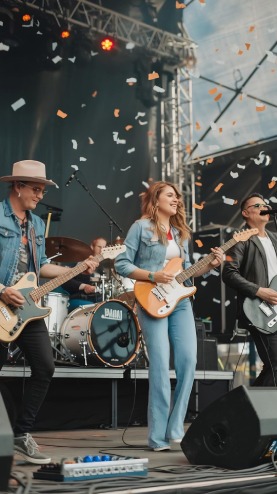
One of the most significant changes during this period was the introduction of multi-day festival formats. Instead of a single evening performance, festivals began offering full weekend schedules that included numerous artists and extended programming.
Multi-day events allowed organizers to feature both established performers and emerging artists. Headlining acts attracted large crowds, while daytime performances provided opportunities for new musicians to reach wider audiences.
This format also encouraged attendees to remain at the event site for longer periods. Many festivals introduced camping areas, food courts, and recreational activities, turning concerts into immersive experiences rather than short performances.
The Influence of Major Country Artists
The participation of well-known country music artists significantly increased the visibility of festivals. As performers gained national recognition through radio, television, and recorded music, their live appearances became major attractions.
Festival organizers began structuring lineups around headline performers, with supporting artists filling the schedule throughout the day. This approach allowed fans to experience multiple concerts in a single location.
For many artists, festivals also provided opportunities to connect with audiences in ways that traditional concerts could not. Outdoor venues often created a relaxed environment where performers could interact more directly with fans.
Improvements in Sound and Stage Technology
Technological advancements played an essential role in the growth of large music festivals. Early outdoor concerts faced challenges related to sound quality, visibility, and weather conditions. Over time, improvements in audio equipment and stage construction addressed many of these issues.
Modern sound systems allow music to reach large audiences without significant distortion, even in open-air environments. Large video screens and advanced lighting systems also improve visibility for attendees who may be far from the stage.
These technological developments made it possible to organize events that host tens of thousands of people while maintaining a high-quality concert experience.
The Festival Experience Beyond Music
Country music festivals no longer just promote a concert, but something like an event. With time, the array of offerings has broadened indeed, into immersive experiences of music, food, recreation, and community happenings, thus increasing the draw of the music festival and allowing for guests to stay for more than a few days.
🏕️ Camping and Outdoor Lifestyle Activities
Many country music festivals take place in rural or semi-rural settings where large open spaces are available. These environments allow organizers to include camping areas where attendees can stay throughout the event.
Camping has become an important part of the festival culture. Fans often travel long distances to attend events and enjoy the opportunity to spend several days in a shared outdoor environment.
In addition to camping, festivals may offer outdoor activities such as games, merchandise markets, and social spaces. These features encourage interaction among attendees and contribute to a relaxed atmosphere that reflects the outdoor traditions often associated with country music.
🍔 Food Vendors and Regional Cuisine
Food plays an important role in the overall festival experience. Many events feature a wide range of food vendors offering both traditional festival foods and regional specialties. Barbecue, local farm products, and regional cooking styles often reflect the cultural identity of the surrounding area.
Food areas also serve as social gathering points where attendees can take breaks between performances. This aspect of festival design encourages visitors to explore the venue and interact with other attendees.
For local businesses, food vending at festivals can provide valuable opportunities to reach large audiences in a short period of time.
🛍️ Merchandise, Markets, and Cultural Displays
Beyond food and music, festivals often include marketplaces where visitors can purchase merchandise, crafts, and music-related items. These markets frequently feature local artisans, clothing vendors, and music memorabilia.
Cultural displays and exhibitions may also be part of the festival environment. Some events highlight the history of country music, regional traditions, or the contributions of local communities to the genre.
These additional elements help transform festivals into cultural events that celebrate both music and regional heritage.
Economic and Tourism Impact of Country Music Festivals
The growth of country music festivals has also created significant economic opportunities for host communities. Large events attract visitors from across the country and sometimes from international locations, generating tourism revenue and supporting local businesses.
As festivals expand, their influence often extends beyond the event grounds into the surrounding region.
Visitor Spending and Local Businesses
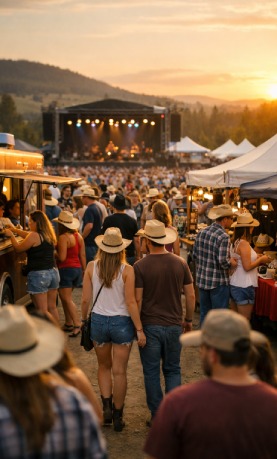
Festival attendees contribute to local economies in many ways. Visitors typically spend money on accommodations, restaurants, transportation, and retail purchases during their stay. In areas with limited tourism infrastructure, large festivals can create substantial short-term economic activity.
Local vendors often participate directly in the event through food stands, merchandise booths, or service contracts. This involvement allows small businesses to benefit from the large crowds attending the festival.
In some regions, annual music festivals have become important components of seasonal tourism strategies.
Employment and Event Infrastructure
Large festivals require significant logistical support. Event organizers often hire staff for security, ticketing, stage management, transportation coordination, and technical production. Temporary employment opportunities can increase during festival periods.
Infrastructure improvements may also occur when festivals become long-term events in a region. Roads, transportation services, and public facilities sometimes receive upgrades to accommodate large crowds.
These developments can have lasting benefits for host communities, especially when events continue over multiple years.
The Role of Tourism Promotion
Country music festivals frequently serve as promotional platforms for the regions where they take place. Tourism organizations often collaborate with festival organizers to highlight local attractions, outdoor recreation opportunities, and cultural landmarks.
Visitors who travel to attend a festival may extend their stay to explore nearby destinations. As a result, the event can introduce travelers to locations they might not have visited otherwise.
This relationship between festivals and tourism helps reinforce the role of music events in regional economic development.
Modern Trends in Country Music Festivals
While the core appeal of country music festivals remains rooted in live performances and community experiences, modern events continue to evolve. Changing audience expectations, digital promotion, and new forms of entertainment are shaping the way festivals are organized today.
Despite these changes, the fundamental connection between music and shared outdoor experiences remains central.
📱 Digital Promotion and Online Communities
Digital platforms have transformed the way festivals reach audiences. Social media, streaming services, and online ticketing systems allow organizers to promote events far beyond their local regions.
Artists often share festival appearances with their online audiences, generating excitement and encouraging fans to attend. Online communities also allow festival attendees to exchange travel plans, share experiences, and discuss upcoming performances.
This digital engagement helps maintain interest in festivals throughout the year rather than only during the event itself.
🎶 Expanded Artist Lineups and Genre Blending
Modern country music festivals often feature diverse lineups that include artists representing different styles within the genre. Traditional country performers may appear alongside artists who incorporate elements of rock, folk, or Americana.
This diversity reflects the evolving nature of country music and helps attract audiences with varied musical interests. Festival organizers may also include guest appearances, collaborative performances, or special themed sets.
These programming strategies allow festivals to remain dynamic while still maintaining a clear connection to country music traditions.
🛡️ Focus on Safety and Event Management
As festivals have grown larger, event management has become increasingly complex. Organizers must consider crowd safety, environmental impact, and logistical coordination when planning large gatherings.
Security planning, medical services, and clear communication systems are essential components of modern festivals. Many events also implement sustainability initiatives such as recycling programs and environmentally responsible waste management.
These measures help ensure that large festivals can operate safely while minimizing their impact on surrounding communities and natural environments.
Where the Story Continues
In particular, country music festivals may be a source of evidence when it comes to how cultural traditions relate to the growth into large-scale events which are able to attract global audiences just the same. From humble beginnings at informal gatherings in rural communities, this vibrant festival culture comprises music in harmony with tourism and general social experiences.
From the start, each one of these festivals is an outcome of village values: community enlightenment, musical storytelling, and place interaction. They have evolved in a manner where the country music festivals will proceed to evolve, build upon established roots of culture which were why they became popular in the first place while other changes transpire with each generation of artists and admirers interacting with the genre.