The Relationship Between Festivals and Tourism
Music festivals and tourism directly go hand in hand. Whenever there is an announcement regarding a major event, fans travel long distances to partake. This movement of travelers will stimulate an economic engine that is dispersed throughout the host region, consequently impacting the hospitality sector, restaurants, transport, and retail businesses. Tourism bodies frequently team up with festival organizers because festivals help promote their destinations in ways that conventional methods of advertising do not. People attending such events are tempted to stay a little longer so as to see more of what the local tourist circuit has to offer.
Festivals as Travel Motivators
Many travelers choose destinations specifically because of festival events. A popular music festival can act as the primary reason someone decides to visit a particular city or region. Fans often plan trips months in advance to secure tickets, accommodations, and transportation.
Unlike typical vacations, festival trips are centered around shared experiences. Visitors gather with others who share similar musical interests, creating a strong sense of community. This social atmosphere makes festivals appealing to both domestic and international travelers. As a result, festivals often expand the tourism season in areas that may otherwise experience lower visitor numbers.
For smaller towns or rural regions, festivals can bring attention that might otherwise be difficult to achieve through traditional tourism campaigns. A well-organized event can place a destination on the map for travelers who later return for other types of visits.
Extending the Length of Tourist Stays
Music festivals typically last multiple days, encouraging visitors to remain in the area longer than they might during a short sightseeing trip. Multi-day schedules with numerous performers make it practical for visitors to stay nearby rather than commute from distant locations.
This extended presence benefits the broader tourism economy. Visitors often arrive a day early to settle into accommodations and remain after the festival ends to explore local attractions. Some may visit nearby nature sites, museums, historic districts, or restaurants while they are in the region.
Longer stays increase spending across several sectors. Hotels receive more bookings, restaurants experience higher traffic, and transportation services see increased demand. These patterns illustrate how festivals can influence tourism beyond the duration of the event itself.
Seasonal Tourism Opportunities
Many destinations use festivals strategically to strengthen tourism during specific seasons. Some regions host summer music festivals when weather conditions are favorable for outdoor gatherings. Others organize spring or autumn events to attract visitors during traditionally slower tourism periods.
By placing festivals during shoulder seasons, communities can stabilize tourism revenue throughout the year. Instead of experiencing dramatic fluctuations in visitor numbers, destinations benefit from more consistent travel activity.
Seasonal festivals also allow regions to highlight their natural surroundings. Outdoor venues in parks, vineyards, or coastal areas often become part of the festival experience, combining music with scenic landscapes that appeal to travelers seeking memorable settings.
Economic Benefits for Local Communities
Music festivals create plenty of economic activities within residing localities. Ticket sales gross a huge amount of money for the app developers and musicians, but the economic implications for the society are much broader than that. Travelers end up spending a lot of their money on accommodation, meals, shopping, and transport, which in turn boosts the business opportunities for companies located miles away from the event.
Most local governments and tourism offices see festivals as a nice little wish just about development. When art is combined with business, these festivals spell an opportunity to get a bigger share of that tax pie, hence better employment and subsequently a stronger local industry.
Hospitality Industry Growth
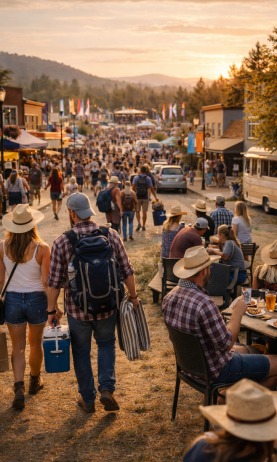
Hotels, guesthouses, and short-term rental properties typically experience some of the most noticeable benefits during festival periods. Large events can fill available accommodations weeks or months in advance, especially when festivals attract international audiences.
Hospitality businesses often adjust pricing and staffing to meet the surge in demand. Additional housekeeping staff, extended check-in hours, and transportation services may be introduced to accommodate festival guests.
Restaurants and cafes also experience increased traffic. Visitors who attend day-long or evening performances frequently dine in local establishments before or after festival events. This additional activity can significantly boost revenue during festival periods.
For smaller communities with limited accommodation capacity, nearby towns and cities may also benefit from overflow visitors who are willing to travel short distances to attend the event.
Support for Local Retail Businesses
Local shops and markets often see increased activity when festivals take place nearby. Visitors frequently purchase souvenirs, clothing, outdoor gear, or festival-themed merchandise during their stay.
Markets selling regional products can benefit particularly from festival tourism. Handmade crafts, local food products, and cultural goods provide visitors with memorable items that reflect the identity of the destination.
Retail activity also occurs in less obvious ways. Visitors may purchase sunscreen, rain gear, phone chargers, or other practical items they need during multi-day events. These small purchases collectively contribute to the local economy.
For many independent retailers, festival weekends represent some of the busiest days of the year.
Temporary and Seasonal Employment
Large festivals often require additional workers to manage logistics, security, food services, transportation coordination, and customer support. This demand creates temporary employment opportunities for local residents.
Event staffing may include ticketing teams, stage technicians, food vendors, sanitation crews, and event coordinators. Many country festivals also rely on volunteers who gain experience working in event management or tourism services.
Beyond the event itself, hospitality businesses often hire extra staff to accommodate increased visitor demand. Hotels, restaurants, and transportation providers may expand shifts or hire seasonal workers during major festival periods.
These temporary roles provide income opportunities while also introducing workers to careers in tourism and event management.
Regional Branding and Destination Identity
Festivals have very important implications for the way regions present themselves to the visitors. The reputation of a major festival may become inextricably bound up with the destination, helping to cultivate a widely recognized character which later enhances tourism.
When travelers leave an event having experienced memorable moments, these moments get shared onto social media, travel blogs, and personal suggestions, means that this is a form of self-promotion that goes way farther than the festival itself.
🎭 Creating a Cultural Identity
Music festivals often reflect the cultural character of their host regions. Some events celebrate traditional musical styles connected to local heritage, while others focus on contemporary genres that appeal to international audiences.
By highlighting specific music traditions, festivals can help preserve cultural heritage while introducing it to new audiences. Visitors who attend these events gain exposure to regional history, customs, and artistic expression.
Local food, crafts, and cultural performances are often integrated into festival environments. These elements create immersive experiences that allow visitors to connect more deeply with the destination.
When festivals successfully showcase local culture, they contribute to stronger regional identities that attract repeat visitors.
📺 Media Exposure and Global Visibility
Large music festivals often attract media coverage from journalists, bloggers, and digital content creators. Photos, videos, and articles documenting the event reach audiences far beyond those physically present.
Television broadcasts, streaming platforms, and social media channels amplify this exposure. Scenes of vibrant crowds, scenic venues, and energetic performances create compelling images that showcase the destination.
This visibility can influence travel decisions among people who may not attend the festival itself. After seeing coverage of an event, potential visitors may become curious about the location and plan future trips.
Media exposure therefore acts as a long-term marketing tool that extends the value of the festival well beyond the event dates.
🌍 Building Long-Term Tourism Reputation
Over time, certain festivals become strongly linked to specific destinations. Cities and regions develop reputations as cultural hubs where music, creativity, and community gatherings thrive.
This reputation can influence tourism patterns. Travelers may begin to associate the destination with exciting cultural experiences even outside festival periods. As a result, the region becomes appealing to visitors seeking vibrant cultural environments.
Consistent festival success also encourages repeat attendance. Many visitors return year after year, building traditions around attending the event. These returning guests often become ambassadors who recommend the destination to others.
Infrastructure and Urban Development
Infrastructure and public services are often needed to be improved before the organization of large-scale festivals. Transport systems, public spaces, and entertainment venues might need to be updated to admit more visitors.
As far as these improvement progresses are initiated for meeting festivals' requirements, they continue to bestow their benefits on the residents and tourists long afterward.
Transportation Improvements
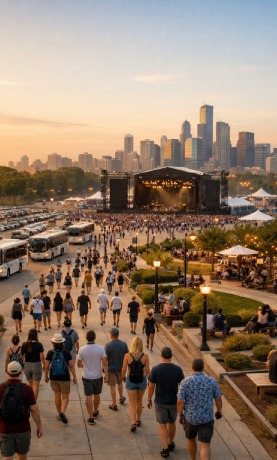
Music festivals can place significant pressure on transportation networks. Roads, parking areas, and public transit systems must handle sudden increases in travel demand.
To manage these challenges, local authorities sometimes introduce temporary shuttle services, expanded public transport schedules, or improved traffic management systems. In some cases, permanent infrastructure upgrades are implemented to better support large-scale events.
Improved transportation benefits not only festival attendees but also residents and future tourists. Enhanced connectivity can make destinations easier to access throughout the year.
Development of Event Venues
Many regions invest in dedicated event spaces that can host concerts, cultural gatherings, and festivals. Outdoor amphitheaters, festival grounds, and park venues are often designed to support large audiences while preserving the surrounding environment.
These venues become valuable community assets. Outside of festival periods, they may host smaller concerts, cultural celebrations, community events, and educational programs.
Well-designed venues also allow destinations to attract new types of events. Conferences, cultural exhibitions, and other gatherings may choose locations that already have the infrastructure required to host large audiences.
Public Space Improvements
Festival preparation sometimes leads to improvements in parks, waterfront areas, and public squares. Landscaping, lighting, sanitation facilities, and pedestrian pathways may be upgraded to create welcoming environments for visitors.
These improvements enhance the quality of life for residents while making destinations more attractive for tourism. Public spaces that host festivals often remain popular gathering places long after the event concludes.
In this way, festivals can indirectly contribute to long-term urban development and community wellbeing.
Responsible Festival Tourism
While festivals create many benefits, responsible management is essential to ensure that tourism growth remains sustainable. Large crowds can place pressure on local infrastructure, natural environments, and residential communities.
Careful planning helps balance the excitement of major events with the needs of residents, businesses, and ecosystems.
⚖️ Managing Visitor Impact
Large gatherings can generate waste, noise, and heavy traffic if not properly managed. Festival organizers often work with local authorities to develop plans for waste collection, recycling, crowd control, and noise management.
Environmental sustainability has become an increasingly important priority for many festivals. Some events encourage reusable containers, provide water refill stations, and promote environmentally friendly transportation options.
By implementing responsible policies, festivals can reduce their environmental footprint while maintaining enjoyable experiences for visitors.
🤝 Community Engagement
Successful festivals often involve strong collaboration with local communities. Residents, businesses, and community organizations may participate in planning discussions to ensure that events reflect local interests and values.
Community involvement helps build support for festivals while addressing concerns about traffic, crowd sizes, or noise levels. When residents feel included in the process, festivals are more likely to become positive community traditions rather than disruptive events.
Local participation also strengthens the cultural authenticity of festivals. Community performers, food vendors, and artisans contribute to experiences that reflect the unique character of the destination.
🏘️ Balancing Tourism and Local Life
Destinations hosting major festivals must consider how tourism affects daily life for residents. Housing availability, transportation congestion, and public space usage can all become challenges during large events.
Thoughtful planning helps maintain balance. Some communities limit festival capacity, distribute events across multiple venues, or schedule activities in ways that reduce disruption to residential neighborhoods.
By carefully managing tourism growth, destinations can continue benefiting from festivals while preserving quality of life for local populations.
The Lasting Influence of Music Festivals
Music festivals have evolved from being just the hub of entertainment to a melting pot where the people meet and exchange music, attract tourism and other economic activities. Thus the attendees of these events all come from far-off places to experience the music, make the acquaintance of other fans, and explore different places hosting such colorful and vibrant gatherings.
When these festivals are conducted responsibly, any economic benefits derived pour down across various sectors of hospitality, local business, and community development. They help regions develop their cultural identity, gain footing on the world stage, as well as tap into tourism yields.
With the growing spurt in global travel, music festivals will stay entrenched in destination development. By fusing some creativity with careful and strategic planning, such events lend support for communities to create economic and cultural value well into the future.