The Role of Artist Lineups in Festival Appeal
After considering an artist's lineup, the audience mostly decides whether to become a part of the show or not. Strong artist lineups that guarantee high attendance and a great deal of media attention also establish an event's identity. Nevertheless, as far as putting together a meaningful lineup is concerned, simply choosing the more famous artists will not do.
Any festival organizer almost always goes for a mix of big names, up-and-coming acts, and a variety of music styles. This balance gives enough variety across different stages, thereby making the experience of discovering obscure new music with familiar favorites much more exciting.
Headliners That Draw Large Crowds
Headlining artists often serve as the primary attraction for many festival attendees. Well-known performers can influence ticket sales significantly because their reputation and popularity create excitement around the event. Major headliners also tend to generate media coverage and social media engagement that extends the festival’s visibility beyond the venue.
However, relying solely on headliners is rarely enough to sustain a successful event. Festivals typically span several days and multiple stages, meaning audiences expect high-quality performances throughout the schedule. Effective programming ensures that the entire lineup feels cohesive and engaging rather than focusing only on a few headline acts.
Supporting Artists and Emerging Talent
In addition to major performers, supporting artists and emerging musicians play an important role in shaping the festival experience. Smaller stage performances often introduce audiences to artists they may not have encountered before. This discovery aspect has become one of the defining features of modern festivals.
For artists, festival appearances can provide valuable exposure and help expand their fan base. For audiences, discovering new performers adds variety and excitement to the event. Many festivals deliberately include emerging artists to maintain a dynamic program that evolves each year.
Genre Diversity and Programming Balance
Many successful festivals feature a range of musical genres rather than focusing exclusively on one style. This diversity allows organizers to attract broader audiences while creating a richer musical environment. For example, a festival may include country, rock, folk, indie, or electronic performances across different stages.
Balancing genres also helps avoid schedule fatigue. When audiences can move between different musical styles throughout the day, the experience remains engaging. Careful programming ensures that stages complement each other instead of competing for the same audience at the same time.
Stage Production and Live Performance Design
Although artists are the cream at any festival, the overall stage production is going to make a serious difference in an act's performance. Lighting, sound systems, design of the stage itself, and special visual effects, to name a few, add or subtract from how audiences take in a concert.
Modern festivals typically spare no expense on production technology in order to create immersive environments that intensify the performance without overshadowing the artists.
High-Quality Sound Systems
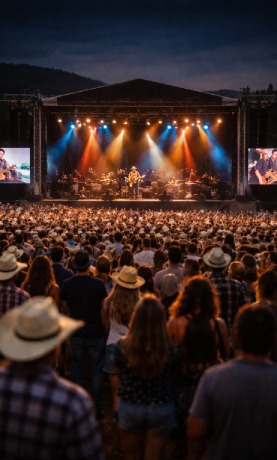
Sound quality is one of the most important technical aspects of a festival. Outdoor venues can present challenges such as wind, crowd noise, and large distances between speakers and audiences. Professional sound engineering ensures that music remains clear and balanced across the entire venue.
Modern festival sound systems use carefully positioned speaker arrays and digital mixing technologies to deliver consistent audio. This allows audiences both near the stage and further away to enjoy the performance without distortion or excessive volume.
Lighting and Visual Effects
Lighting design has become a defining feature of many live music events. Coordinated light shows, LED displays, and visual projections can transform a stage into a dynamic visual experience. These elements often synchronize with music to enhance emotional moments during performances.
At night, lighting becomes particularly important. Well-designed lighting helps maintain energy in the crowd while highlighting performers on stage. Visual effects also contribute to the overall atmosphere that audiences associate with memorable festival moments.
Stage Layout and Visibility
The physical design of a stage influences how audiences interact with a performance. Large stages must be designed so that performers remain visible even to people standing far from the front. Screens and elevated structures often help improve visibility for large crowds.
Organizers also consider safety and crowd flow when designing stage areas. Adequate space, barrier placement, and clear pathways allow audiences to move comfortably without overcrowding.
The Importance of Venue Atmosphere
Besides the music itself, the festival environment helps define how the event experience is lived by its audience. The space of the event's location becomes a second event in itself. The natural environment and total layout add power to the creation of a sense of belonging to a global party.
The festival atmosphere often develops spontaneously out of place, design, and packed communal-minded people highlighting their love for music.
🌄 Outdoor Settings and Natural Landscapes
Many festivals take place in outdoor environments such as parks, fields, beaches, or rural landscapes. These settings allow large audiences to gather while creating a sense of openness and connection with nature.
Natural surroundings can significantly influence the mood of an event. Scenic backdrops, sunset performances, and open skies often become defining elements of the festival experience. These environments also provide space for multiple stages and activity areas.
🗺️ Festival Layout and Accessibility
A well-planned layout helps attendees navigate the festival easily. Clear pathways, accessible facilities, and thoughtfully arranged stages reduce congestion and improve comfort throughout the event.
Accessibility also includes transportation options, parking availability, and entry procedures. When these logistical elements function smoothly, audiences can focus on enjoying performances rather than dealing with unnecessary delays or confusion.
😊 Comfort and Crowd Experience
Large events must balance excitement with comfort. Adequate seating areas, shade structures, rest zones, and hydration points help maintain a positive experience during long festival days.
Crowd management also plays a critical role in safety and enjoyment. Proper spacing between stages, emergency access routes, and trained staff ensure that large gatherings remain organized and secure.
Food Vendors and Culinary Variety
Music Events are not simply about musical performances; food vendors are essential to the overall experience, providing an array of sustenance in the form of local dishes, international snacks, drinks, etc.
For some guests, wandering around the food shacks between the line-up is a highlight of the day.
Local Food and Regional Specialties
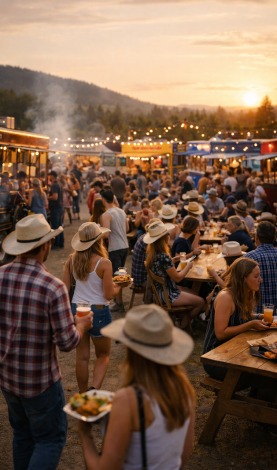
Many festivals invite local food vendors to showcase regional cuisine. This approach supports local businesses while giving visitors an opportunity to taste dishes associated with the host region.
Regional food offerings also contribute to the identity of a festival. Whether it involves traditional barbecue, street food, or regional specialties, local cuisine helps connect the event with its surrounding community.
International Street Food Options
Large festivals often include vendors serving international dishes from various culinary traditions. Food trucks and temporary kitchens may offer options such as Asian street food, Mediterranean dishes, vegan meals, or gourmet snacks.
This diversity reflects the global nature of many music festivals. Attendees can explore different flavors while socializing with friends and taking breaks between performances.
Dietary Options and Sustainability
Modern festivals increasingly consider dietary preferences and environmental sustainability. Many events provide vegetarian, vegan, and allergen-friendly food choices to accommodate diverse audiences.
Sustainability initiatives may also include compostable packaging, recycling programs, and partnerships with vendors that prioritize responsible sourcing. These efforts reflect growing awareness of the environmental impact of large events.
Fan Engagement and Interactive Experiences
Music festivals are often not just concerts; they tend to create actual environments that the audiences can immerse themselves in. Organizers often pay heed to interactive activities, art installations, and community spaces, paving the way for participation that surpasses mere attendance at a show.
Design features like these are instrumental in crafting those memories that loop over and beyond the boundaries of a stage.
Interactive Art and Installations
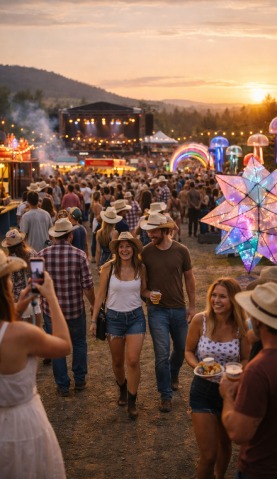
Art installations have become a common feature at many festivals. Sculptures, light displays, and interactive exhibits encourage attendees to explore the venue and engage with creative spaces between performances.
These installations often become gathering points where people take photographs, socialize, and experience the festival atmosphere in new ways.
Workshops and Cultural Activities
Some festivals include workshops, talks, or cultural activities alongside musical performances. These sessions may focus on music education, creative arts, or discussions with performers and industry professionals.
By offering educational and cultural programming, festivals can expand their appeal and provide audiences with opportunities to learn as well as be entertained.
Community and Social Connection
Perhaps one of the most significant aspects of any festival is the sense of community it creates. People attend festivals not only for the music but also to share experiences with friends and other fans.
Large crowds dancing, singing, and celebrating together often produce a sense of collective energy that is difficult to replicate in smaller venues. This shared atmosphere is one reason many attendees return year after year.
🎪 Essential Elements That Shape the Overall Festival Environment
While individual components such as artists and food vendors are important, the overall festival environment emerges from how all these elements interact. Successful events are carefully coordinated so that logistics, entertainment, and atmosphere work together smoothly.
Several operational factors influence whether a festival feels organized, welcoming, and enjoyable for attendees.
- Efficient entry systems and ticket verification reduce waiting times and improve the first impression of the event.
- Clear signage and information points help attendees navigate stages, restrooms, and service areas easily.
- Clean facilities and regular maintenance contribute significantly to visitor comfort during long events.
- Security staff and medical teams ensure that safety measures are visible and accessible without disrupting the atmosphere.
- Waste management and recycling programs help reduce the environmental impact of large gatherings.
When these operational aspects are handled effectively, the festival environment feels organized and welcoming. Attendees can move between performances, food areas, and social spaces without confusion or stress.
Why Memorable Festivals Keep Audiences Returning
Music festivals become successful when they meld together artistic programming, technical production, and a friendly atmosphere to create one comprehensive experience. This equilibrium between entertainment and comfort enables audiences to completely concentrate on the music and interact socially in the festival.
Curatorial lineups attract attention, but the real success of a festival lies in the overall experience. This may include venue design, food offerings, hands-on activities, and seamless logistics, all molding the way that attendees remember the event.
A Balance Between Music and Atmosphere
Festivals that prioritize both music and atmosphere often develop strong reputations among audiences. When the performances are supported by thoughtful production and an engaging environment, attendees feel part of something larger than a standard concert.
This balance also encourages longer visits throughout the day. Attendees may arrive early to explore the venue, discover new artists, and participate in activities before headline performances begin.
Traditions and Returning Communities
Over time, many festivals develop traditions that contribute to their identity. Annual themes, recurring stage designs, or signature performances can become recognizable elements that fans look forward to each year.
Returning communities of attendees often shape the social culture of a festival as well. People who attend regularly may view the event as an annual gathering where friendships and shared interests continue to grow.
Continuous Evolution and Innovation
Successful festivals rarely remain static. Organizers often introduce new artists, improved infrastructure, and updated experiences to keep the event fresh. Innovation in stage design, sustainability initiatives, and interactive programming helps maintain long-term audience interest.
At the same time, preserving the core identity of the festival is important. Maintaining a recognizable atmosphere while introducing thoughtful improvements allows events to evolve without losing their original appeal.
The Lasting Impact of a Well-Designed Festival Experience
Having a perfect country music festival demands a perfect interlacing of many factors. Artists and bands draw the attendees, the stage production supports the show, the character of the place around the venue is made by the atmosphere, and the edibles represent a culture. Together, these factors weave an unforgettable event that not only lasts for those four days but lives with the memories of the punters long after.
Now picture this-festivals' successes are hinged upon binding the dots between artists, the public, and the territory on which the festival takes place. Once that magical link is achieved, meandering festivals are tagged to have taken over the town.