Planning Travel and Arrival Logistics
While planning a weekend at a music festival, one must attend to the vital step of travel planning. As most music festivals, like Tropicalia or the ACL Music Festival for instance, are held outside of urban centers, they along park lands, rural areas, or open fields, the kind of transportation required for these concerts might be quite different than attending a concert at a city-based venue. Making arrangements for transportation in advance gives customers a cushion to cope up with any ensuing upset in transportation contrasted with last-minute transportation arrangement potential. Also, transportation completion before the performance can guarantee first row seating once the performances start.
Choosing the Best Transportation Option
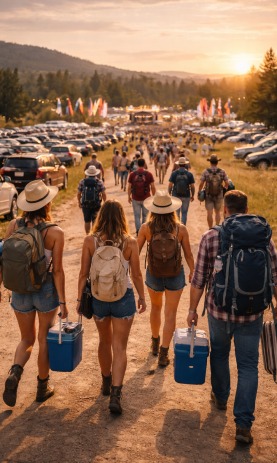
Transportation options vary depending on the festival’s location and accessibility. Some attendees drive directly to the festival site, while others rely on trains, buses, or shared rides with friends. Driving offers flexibility and convenience, especially when transporting camping equipment or large bags.
Public transportation can also be a practical choice when festivals provide shuttle services from nearby cities or transportation hubs. Shuttle buses are commonly arranged to reduce traffic congestion and simplify arrivals. Visitors should research official transportation options early, as shuttle tickets and parking passes often sell out quickly.
When planning travel, it is helpful to consider arrival times carefully. Many Country Festivals open their gates several hours before the first performance, allowing attendees to set up campsites, explore the grounds, and become familiar with the layout before crowds grow larger.
Understanding Festival Entry Procedures
Entry procedures vary from one festival to another, but most large events follow strict guidelines regarding tickets, security checks, and permitted items. Digital tickets or wristbands are commonly used for multi-day access, allowing attendees to enter and exit the festival grounds throughout the weekend.
Security screenings typically check bags for prohibited items such as glass containers, professional recording equipment, or outside alcohol. Reading the official event guidelines before arrival helps prevent delays at entry gates and avoids the inconvenience of having items confiscated.
Many festivals also require wristband activation or ID verification. Completing these steps early can speed up entry and allow visitors to spend more time enjoying the event rather than waiting in lines.
Choosing Accommodation for the Festival Weekend
Meanwhile, accommodation has an impact on molding the festival experience. Depending upon the event location and the individual taste, the travel aficionados may choose among on-site camping arrangements, nearby hotels, vacation rental properties in the area, or staying over at acquaintances' places in the neighboring towns.
Each of the mentioned accommodation options carries a different level of ease, comfort, and cost, so considering which options to take is one important step to make room for one's fascination and experience in the festival.
Camping at the Festival Grounds
Camping is one of the most popular accommodation options for weekend music festivals. Many events offer designated camping areas where attendees can set up tents and stay within walking distance of the main stages.
Camping allows visitors to fully immerse themselves in the festival environment. The atmosphere often continues long after the final performances of the day, with attendees socializing, sharing meals, and relaxing around their campsites.
However, camping also requires preparation. Tents, sleeping bags, portable lights, and weather-appropriate clothing are essential. Choosing a durable tent that can withstand wind or rain helps ensure a comfortable stay throughout the weekend.
Staying in Hotels or Rental Properties
Some attendees prefer the comfort of indoor accommodations. Hotels, hostels, and short-term rental apartments offer private bathrooms, proper beds, and quieter environments for rest after long days of music.
Staying off-site can be particularly appealing for those who value personal space or who plan to attend only part of the festival schedule. However, these options require additional travel each day, which may involve shuttle buses, taxis, or rideshare services.
Booking accommodations well in advance is important because nearby hotels often fill quickly once festival lineups are announced. Early reservations also provide more flexibility in selecting locations close to transportation routes.
Balancing Convenience and Comfort
Choosing accommodation often involves balancing convenience with comfort. Camping offers proximity to stages and a stronger sense of community, while hotels provide rest and privacy.
Festival visitors should consider factors such as travel distance, budget, group size, and personal comfort preferences. By evaluating these elements early, attendees can secure accommodation that supports an enjoyable and manageable festival weekend.
Packing Essentials for Outdoor Festival Days
In outdoor concerts, people usually have to withstand changing weather for long hours. By arranging to pack ethically with the right gear and personal kit, one can ensure that they, warm, safe, hydrated, and more, to spend the extensive hours at the event.
A well-thought-out list of items is a good way of ensuring vital items are there when needed: this would prevent sticking with expensive purchase arguments a-plenty from festival vendors.
Clothing for Changing Weather Conditions
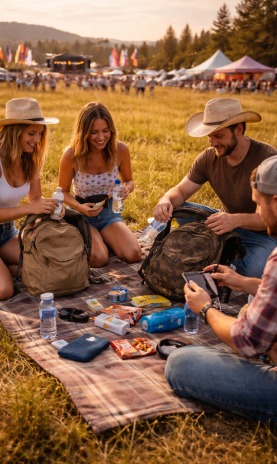
Weather conditions at outdoor festivals can change quickly. Even in summer months, temperatures may drop significantly in the evening, especially in open fields or rural areas.
Layered clothing provides flexibility throughout the day. Lightweight shirts, hoodies, and waterproof jackets allow attendees to adjust their outfits as temperatures shift. Comfortable footwear is equally important, since visitors often walk several kilometers between stages, food areas, and campsites.
Rain protection is another important consideration. Ponchos, waterproof jackets, or compact umbrellas can make a significant difference during unexpected showers.
Personal Comfort and Hygiene Supplies
Festival environments can be physically demanding, particularly when attending multiple performances over several days. Bringing small personal care items helps maintain comfort and hygiene.
Common festival essentials include sunscreen, hand sanitizer, wet wipes, lip balm, and refillable water bottles. Many festivals provide water refill stations to encourage hydration throughout the day.
Portable phone chargers or power banks are also useful. Mobile devices are often used for checking performance schedules, communicating with friends, or navigating the festival map.
Food, Snacks, and Hydration
While most festivals offer a wide variety of food vendors, having small snacks available can be helpful during long stretches between meals. Energy bars, dried fruit, or packaged snacks are easy to carry and provide quick sources of energy.
Hydration is especially important during outdoor events where attendees spend hours in crowds or under direct sunlight. Drinking water regularly helps maintain energy levels and reduces fatigue.
Visitors should review festival policies regarding outside food and beverages. Some events allow limited quantities, while others restrict outside items to support on-site vendors.
Understanding Festival Etiquette and Crowd Awareness
Music festivals bring together large groups of people from diverse backgrounds who share a common interest in live music. Respectful behavior and awareness of surroundings help maintain a positive atmosphere for everyone attending the event.
Understanding festival etiquette contributes to safety, cooperation, and overall enjoyment.
🤝 Respecting Personal Space in Crowded Areas
Popular performances often attract large crowds near the main stages. While the excitement of live music encourages enthusiastic participation, it is important to remain mindful of others in the audience.
Avoiding aggressive pushing, allowing people space to move, and being attentive to those around you helps maintain a comfortable environment. If someone appears unwell or distressed, notifying nearby staff or security personnel ensures they receive assistance quickly.
Respecting personal boundaries contributes to a welcoming and safe atmosphere across the festival grounds.
🌟 Supporting a Positive Community Atmosphere
One of the defining characteristics of music festivals is the sense of shared experience among attendees. People often meet new friends, share recommendations about performances, and help each other navigate unfamiliar festival spaces.
Simple gestures such as offering directions, sharing sunscreen, or helping someone locate a stage can strengthen the sense of community that festivals are known for.
Maintaining a friendly and respectful attitude toward fellow attendees, staff members, and performers contributes to the overall enjoyment of the event.
🌿 Protecting the Festival Environment
Large outdoor events generate significant waste and environmental impact if not managed carefully. Many festivals encourage responsible behavior by providing recycling stations and promoting environmentally conscious practices.
Attendees can contribute by disposing of trash properly, using reusable water bottles, and avoiding unnecessary waste. Respecting the natural environment of the festival site helps preserve the landscape for future events.
When thousands of visitors work together to maintain clean and organized spaces, the festival environment remains enjoyable for everyone.
Managing Energy During Long Festival Days
Weekend music festivals often run from late morning until late at night. With multiple stages and dozens of performances scheduled each day, it can be tempting to attend every possible show.
However, pacing energy levels throughout the weekend is essential for maintaining comfort and enjoyment.
Creating a Flexible Performance Schedule
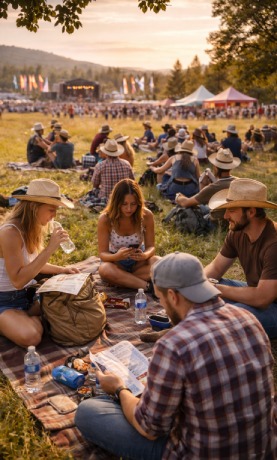
Most festivals release detailed performance schedules before the event begins. Reviewing the lineup in advance allows attendees to identify must-see artists while leaving room for spontaneous discoveries.
Trying to attend every performance can quickly lead to exhaustion. Instead, visitors often benefit from selecting a few key shows each day and leaving time for breaks, meals, and exploring the festival grounds.
A flexible schedule helps prevent burnout while still allowing attendees to enjoy a wide range of performances.
Taking Breaks and Staying Hydrated
Long hours standing in crowds or walking between stages can lead to fatigue. Taking short breaks throughout the day helps maintain energy levels and prevents physical discomfort.
Many festivals provide shaded seating areas, picnic spaces, or lounge zones where visitors can rest between performances. Hydration is equally important, especially during warm weather conditions.
Drinking water regularly, eating balanced meals, and resting when needed help attendees stay energized across the entire festival weekend.
Keeping Track of Friends and Meeting Points
Large festival grounds can make it difficult to stay connected with friends or group members. Mobile networks may become overloaded due to high demand, making communication challenging.
Establishing designated meeting points in advance helps groups reconnect if they become separated. Landmarks such as information booths, art installations, or specific food areas often serve as convenient gathering spots.
Planning meeting locations ahead of time reduces confusion and ensures everyone can regroup easily throughout the day.
Preparing for the Full Festival Experience
Going to a weekend music festival is not just for live music. You would need some travel responsibility, some thoughtful packing, and some social greetings, as you will be up for an entire day of music and other activities.
If one can get a bearing prior to the festival and allocate that with their sacred assurance, it's as far as the gamut of enjoyment goes-with concerts and amazing establishments of meeting, playing, and fellowship. Travel coordinating, respecting the interests of others, some hardcore, but tolerant packing with poker faces coupled with adjustment of pomposity to make festival participants bond really makes things more enjoyable for everybody.
However, with a bit of preparation, a weekend music festival shifts gears from just watching concerts to a label of shared cultural experiences, where music blends easily with travel and outdoor revelry into something that will manifest in lasting memory.